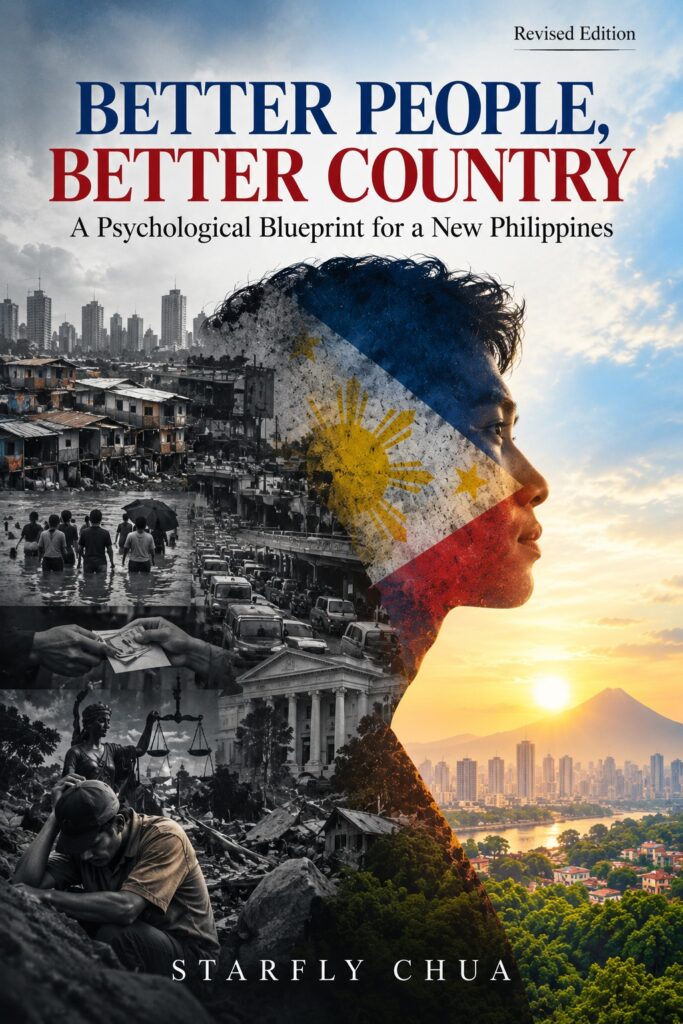
Tag: Better People Better Country
The Limitations of Moralistic and Structural Approaches to the Problems Facing the Philippines
“Both moralism and structuralism share the same underlying mistake: they treat human behavior as if it were mechanical.
In this view: beliefs cause behavior, rules produce obedience, authority ensures order.
But human beings are not machines. They are meaning-making, context-sensitive organisms.”
— Starfly Chua
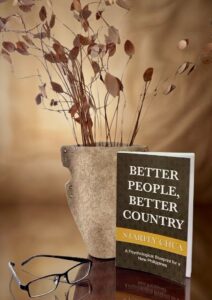
*Better People, Better Country*
We often debate whether the problem is the individual or the system.
Some say we simply need better values, better discipline, and better people. Others say we simply need better laws, better policies, and better structures.
But human behavior is rarely that simple.
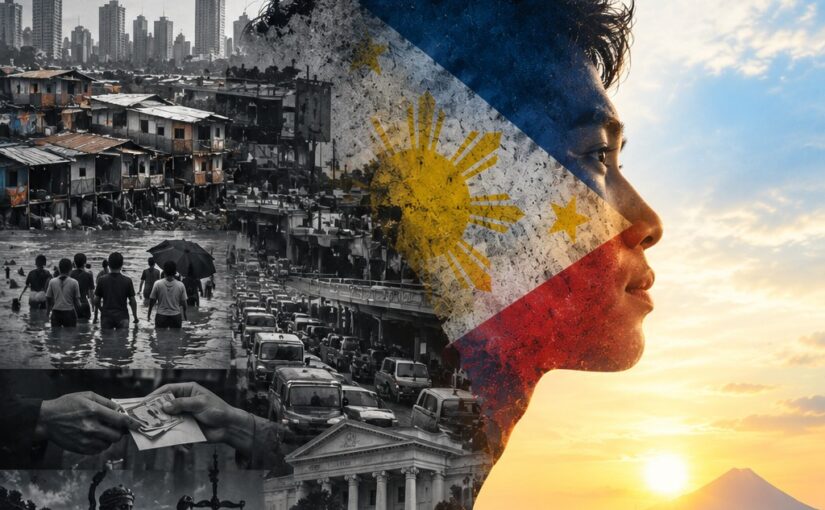
People and systems constantly shape each other. A better country is not created by blaming people alone or changing structures alone, but by understanding the context that influences how people behave.
When we understand context, we can design conditions where better choices become more likely.
*Better People, Better Country*
#BetterPeopleBetterCountry
#StarflyChua
#BehavioralScience
#ContextMatters
#Philippines
When Ai Becomes More Than a Tool
This morning, I had the privilege of talking about a variety of topics, with a special focus on the growing phenomenon of young people developing personal attachments to Ai.
My sincere thank you to DZXL RMN News for giving me the opportunity to share my thoughts–as well as my book, Better People, Better Country–with your listeners on live radio.
Here’s the full interview. Fast forward to the 16-minute mark.
Better People, Better Country Now in Seven Fully Booked Branches!
All done!
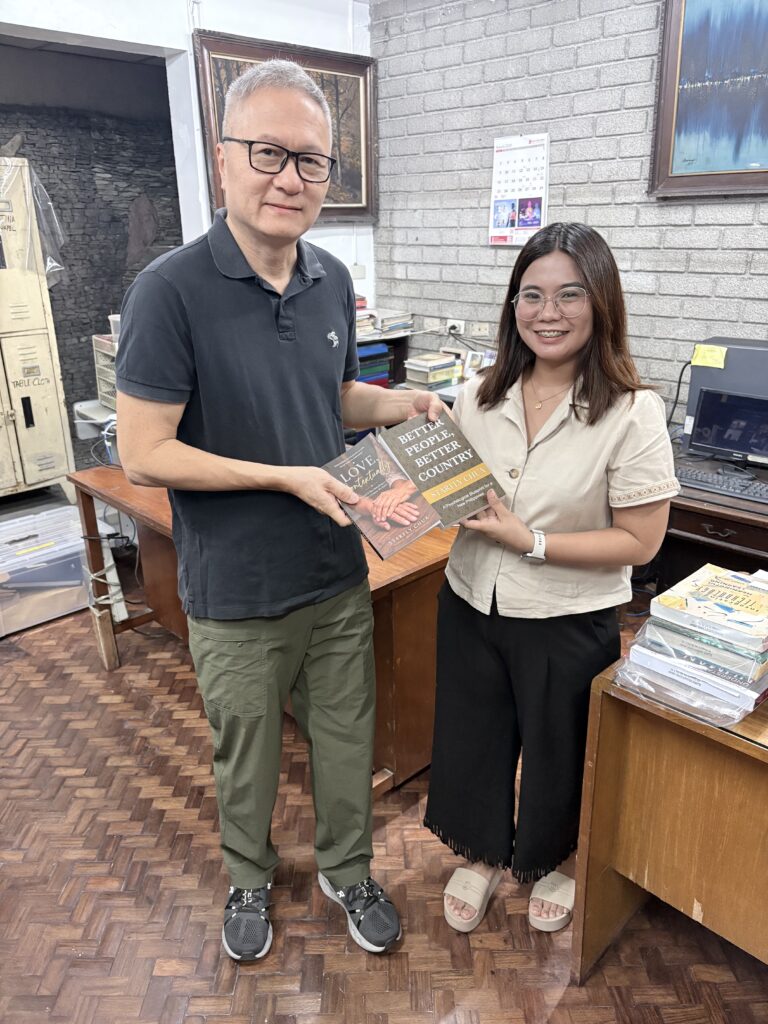
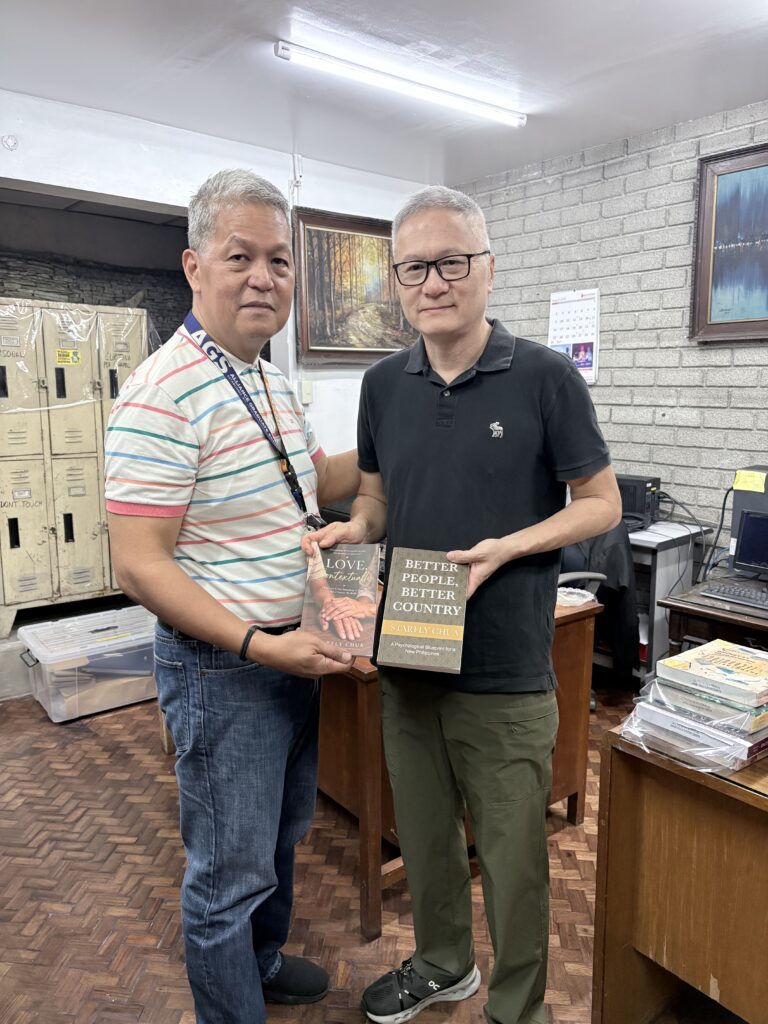
Twenty-nine copies of Better People, Better Country have been delivered to seven Fully Booked branches.
I have no illusions that this book will have mass appeal.
But it represents years of work, much of it done in quiet isolation, through late nights in front of a computer screen, and with the hope that an aging body would hold up long enough to see the project through.
Along the way were moments of encouragement, but also skepticism, rejection, and many reasons to set the project aside.
Whether the book reaches ten people or ten thousand, I am grateful for the opportunity to place these ideas on public-facing shelves.
My hope is simply that it contributes, in its own small way, to conversations that matter and give voice to those who believed they had little.
The conversation continues.


A Book About Ideas Finds Its Way to a Place of Learning
On the afternoon of June 15, 2026, I made my second delivery of Better People, Better Country to the Fully Booked UPTC branch.
This book was intended to be, above all, a contribution to conversation and learning. Seeing it on the shelves of a bookstore surrounded by schools, universities, and places of learning feels especially meaningful.
I have always enjoyed a lively exchange of ideas and passionate debate about the questions that shape our lives and our society. Many of the themes explored in this book grew out of years of reflecting on the very human struggles we all encounter—how we live, how we love, how we work together, and how we build a country that gives more people the opportunity to flourish.
My hope is that the ideas in this book will find their way into conversations that matter, especially conversations about how we can build a society where more Filipinos can live with dignity and opportunity.
My thanks to the friendly staff for indulging my requests for selfies, and a special shout-out to Dandrille, who welcomed me with a smile throughout the entire process.
The journey continues.

First Delivery at Fully Booked BGC!

The World That Shaped the Book
Better People, Better Country
is rooted in the belief that the strongest critiques of dehumanization emerge not from outrage alone, but from real encounters with human suffering.

Living With Differences
Better People, Better Country
Contextual Behavioral Science is about helping individuals adapt more effectively to the contexts they live in — while also helping societies build contexts that empower individuals to thrive.
It is an approach to understanding human behavior that can be applied far beyond therapy:
toward better people for a better country,
and a better country for better people.