Hi everybody! We have recently updated our definition of what One Life Counseling is all about. In our zeal and dedication to provide you with the best possible results in your quest to change your lives for the better, we began our new journey towards a process-based approach to our work. This applies to all our clients including couples and families.
We will never be satisfied unless we find the best possible and most effective approaches that empower you and help direct you to a path of growth and personal satisfaction in living the kind of life you have long wanted for yourself and your loved ones!
We have put the updates in italics.
Here’s what you can expect from One Life Only Counseling:
You can be assured that your information with be kept completely confidential.
You will be respected regardless of your religion, gender preference, ethnicity, economic status, and even your personal lifestyle and values.
Your counselor will not impose his or her values and beliefs on you.
We use brief, scientific, and evidence-based approaches to address your concerns. These approaches are known to produce the best results that require only a handful to about a dozen sessions for you to experience life-changing results, as against years of seeing a therapist which can, at its worst, foster dependency.
Since 2019, we have adopted new therapy approaches that do not categorize people into sets of symptoms. They are process-based approaches to therapy that are now gaining appreciation from thousands of experts in the field who have found the current symptom-reduction, syndromal approaches less than adequate in addressing the human condition. The process-based approach has been found to be effective in many areas of concern ranging from common mental health concerns like depression and anxiety to even work and sports performance.
Since 2019, we have been very excited to offer this type of a radically different approach to therapy that is not just about relieving symptoms, but rather helping people towards creating lives imbued with meaning and purpose.
I remember a person who shared with me that she had been with her therapist for several years. She felt it helped her in terms of managing her anxieties and anger issues. She went on to share that she needed her weekly sessions to get some relief from all the emotional struggles that go on during the week. This type of counseling is called supportive counseling which certainly has its place in the field. In my graduate studies, I can certainly attest to the fact that I used to do this type of work in dealing with my test cases to begin my training in listening or counseling skills. With this person who shared her experience though, the weekly sessions have become a psychological crutch, just like taking a break from her cares for at least an hour a week. *
Counseling work is more than just being supportive. The goal is more about having clients learn, as experientially as possible, skills that can be brought to their everyday lives. The counseling room becomes the lab where these skills are introduced and tested.
I don’t really mean to be simplistic here but I thought the title can help us focus on knowing what goes on inside the work I do and its ultimate goals. If we come up with something that would make it simpler and more understandable, then we would have done a better job in assisting people in appreciating what all these working sessions are for.
If you wish to change the way things are in your relationship with your partner, then you need to try different things. In ACT or Acceptance and Commitment Therapy linggo, we call that expanding behavioral repertoire. It is also referred to as flexibility skills. If you start a conversation with your spouse with a criticism or a “You” statement every time, you are more than likely to get defensiveness in return. And so on and on you go with the circular arguments that often lead you to ultimately just avoid each other or get into a massive shouting match.
Unfortunately, we are the creatures who think that we can do the same things over and over again and come up with the results we want, even if the evidence clearly shows the contrary. We like to follow rules and rule-following becomes the dominant reinforcer of our behaviors, and not the actual contingencies that show up. We can see this if we break down the process of how people get hooked to the slot machine or some form of gambling addiction. Although it is true that there is a one in a billion chance that you might hit pay dirt, the addicted person is not aware of the consequences happening as they continue this obsessive behavior.
Taken in these terms, we in this helping profession are after you getting out of your comfort zones. Comfort zones are places where we want to end up that give us the short term feel-good moments. Being able to analyze your spouse and find out what’s wrong with them, can give you that sense of accomplishment that you know something they don’t. Getting that high in front of a slot machine when you win a small pot can be intensely rewarding at the moment. However, the long term consequences eventually show up. You no longer become the spouse you want to be. The more you criticize your partner, the more they snap back. Slowly eating away at the relationship you once thought will go smoothly through the years. The more you gamble, the more you end up piling up debts and spending countless hours unable to do anything else that could have otherwise been spent more productively and meaningfully.
I’d like to borrow a phrase from a book to help you, my readers, understand how counseling works. The work is about being comfortable with the uncomfortable. Maybe it’s time you tried another approach to your spouse, even if it feels embarrassing or extremely “so not you.” Maybe you need to sit with those urges to gamble and find out what really is behind the pull towards the addiction so that you can find alternatives to spend all that energy on. To paraphrase a well-known ACT therapist, Kirk Strosahl, maybe there’s something more important here than what you feel.
If you are like the person I discussed in the first paragraph of this post, then be wary. That’s because the counseling work is making you feel comfortable! If you start to do things that are uncomfortable with the help of your counselor, then you might be on the road to being comfortable with being uncomfortable. That’s also when you know that your work with your counselor is worth all that time and energy. Maybe you’re on to trying something different that moves you towards what I regularly use in my discussions with my clients: being the person you want to be, and living the life you want to live.
*The example here is an amalgam of different cases that do not refer to any person in reality.
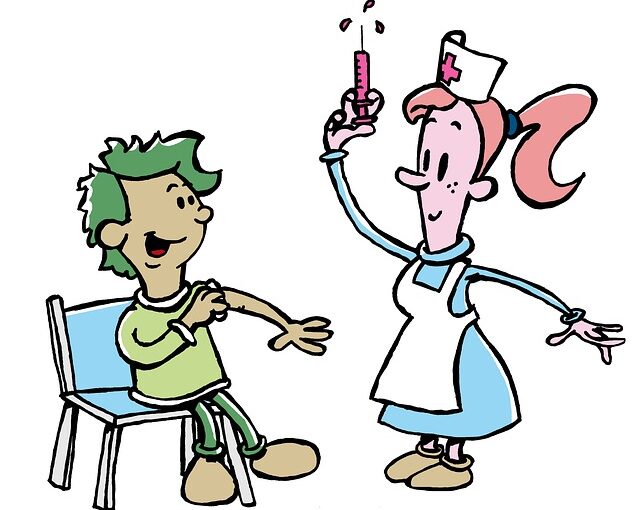
I recently came upon an article on my newsfeed that someone had a really bad reaction to the vaccine. I can’t remember if she had either died or gone through some really frightful and horrific struggle to survive. Asked whether she regretted taking the vaccine, she had an interesting response. No.
Now I am not here to talk about every single reason as to why some people are either hesitant or completely opposed to having the shot, but I am here to share with you some way that those of us who are willing to take the vaccine can encourage those who have yet to decide.
First, there is really little use to argue about how safe the vaccine is. We all have that confirmation bias in which we tend to believe what we want to believe. Secondly, it is true that one could die not because of the virus but the vaccine, just as the lady I talked about in the beginning of this blogpost.
So how can we encourage a friend who’s afraid of needles, even more so a needle with a newly-developed drug, to go out there and take something that we can’t really guarantee to be 100 percent safe and effective? What can our knowledge of the human mind tell us about what motivates people to do some things and not others? Well, we can start with knowing how our minds can trick us into believing that some things, like taking a risk to get vaccinated, are beyond our capacity to do. Ever woke up one day with your mind telling you that you’re too tired to get up? Stay a few more minutes, don’t worry you’ll wake up with no time lost for work. Well, you know what comes after. There’s a good chance that you’d end up being late for work or just waking up with just enough time to call in sick.
However, what if we were to say that this urge to stay in bed happened while your bed had just caught fire? Wouldn’t you jump out of it faster than a rabbit being chased by a cat? Or if I were to say that you should get up at exactly six o’clock this morning otherwise I would kidnap your loved one and you’d never see him or her again, would you still follow the rule your mind is giving you that you’re too tired to get up? So if it were important enough, we can certainly break such rules for the sake of saving our own life as well as a loved one.
So what other things can someone tell a vaccine hesitant friend about why it is beneficial to them that they take it? If you look at the example above, it tells you that you and I are capable of doing things out of the ordinary when faced with something that connects us with our values.
Guess what the girl in the article said when asked why she didn’t regret taking the vaccine? She said she was willing to do her part to end the pandemic that cost the lives and livelihoods of billions of people around the world, including her loved ones. As human beings, we are capable of doing things beyond what logic can explain. We are the most successful species on the planet because we cooperate to a degree that not even the ants and bees can match. The more we do things that may not be good for ourselves but good for this and future generations, the more we thrive and extend our existence on this finite planet. It’s part of our evolutionary DNA. They’ve done studies that have found that societies where people are more cooperative end up becoming more successful in promoting social well-being.
Is it true that the vaccine can have lethal side effects? Yes, of course! But it is also true that we are unique in our ability to do things as crazy as sacrificing our own safety to save another human being, our pets, and our planet.
So if you have a friend who is still hesitant to take the vaccine, ask them if deep inside they see that in their own small way, they can be part of a story that ended the pandemic and brought us back to what life used to be regardless of the end results.
You can also ask your friend, “If you had a dear friend or loved one who lived in another country and was very ill, wouldn’t you take the next plane out to have just a few moments with them even if it would cost you some? And by doing so, is there a likelihood, albeit slim, that your plane may crash and you’d die in the process of wanting to say a few last words to this person?” If the answer is, “Yes, you’d go,” then what’s stopping you from getting the shot!
In action movies (and we love them, don’t we?), we’d see the hero fighting the enemy in that one last fateful battle. We’d see the hero lose their weapons one by one and sometimes even get severely wounded by a lethal strike from the enemy, and yet keep fighting on with whatever is left in their arsenal.
The science is still imperfect, but it’s all we have left to fight this pandemic. You and I can ask our hesitant friends, “Like that hero we pay to see in those movies, would you be willing to join in the fight with whatever is left in our arsenal?”
Growing up exposed to faith traditions, I remember always looking forward to spiritual retreats. Not only do I get to have time off from school or work for free or at a discounted rate, I also get to meet new people or have more bonding opportunities with friends or schoolmates. However, it is often a big question among retreat-goers as regards how long the effects of such a religious experience will last into their mundane lives. Of course, being in a situation where everybody is smiling and having a break from the usual busyness of life, provides an idyllic setting that makes it easier to be kinder and more loving. No doubt there are doubts if there is an actual spiritual side to any one of us. Maybe we are just ordinary folks not really destined to consummate lives that are anything close to the clergy who facilitate these events.
Well, what my fellow retreat-goers and I couldn’t figure out in those days, I think some good ol’ science has posed an answer to. In most other approaches I have encountered in my more than a decade’s long journey into counseling, I think ACT or Acceptance and Commitment Therapy stands out as unique in its inclusion of values into what I thought was supposed to be a valueless undertaking. Before 2019, I used to think that my job was confined to helping people find a way out of their mental miseries and the rest was up to them. In ACT though, there is that very powerful component of pursuing a values-based life.
So how do spiritual retreats work? Why do they have such an impact on us? How do we keep that spiritual revival going in real world settings? To answer the first two, these retreats function as a way to help us get back in touch with our values. These values are chosen patterns of behaving that are consistent with our deepest aspirations for ourselves. These values never actually leave us, they just become obscured when life as we know it, gives us the challenges of work and the important but difficult relationships we have.
Our minds have evolved into an evaluative, problem-solving tool that takes over when challenges to these values are present. Your kid starts to act nastily towards you. Your boss makes a comment that you found offensive. Your spouse forgets your birthday. How are we supposed to still be kind and loving in these situations?
Dr. Steven Hayes mentioned in one of his talks, that the problem-solving mode of mind can be described as analytical and predictive. In other words, it wants to find out how we got into such a situation and how we can get out of it quickly and painlessly. And these modes of mind are focused on the past and the future; unable to recognize what’s going on in the present. Our minds pretty much work in a way that suggests we take the fastest way out of troublesome thoughts and feelings that come along at work and in relationships. For example, the recalcitrant child is making us feel angry and frustrated. The problem-solving mode of mind figures out how we got to this point by thinking that the child has been spoiled, and then suggests the quickest way to solve the spoiled child and get out of our frustrated feelings is to just try to control the child by yelling and screaming at them. Goodbye sweet, kind, and loving us that came out of the retreat! It is easy to see how these spiritual revivals are only as good as the few days or the few weeks after. Simply said, it is more likely that we live out or become aware of our values or what is truly meaningful and important to us, when the situation is well-protected from the challenges of life outside these exclusive retreat enclaves.
And how do we keep the spiritual fire burning when like all good things, the retreat must come to an end? In ACT, I have learned quite a few ways to do it. The first step however is to get out of the mindset that all good things are about good feelings. A good way to challenge this “good feelings equals good life” idea is to notice the not-so-good feelings that come with living our values. Anything important to us usually comes with a price. If it were easy then we wouldn’t really care about it. We hurt because we care. Our sadness from a loss is because we loved. We get angry because something has violated our sense of justice. We experience anxiety because there’s something worth our trouble that we want to accomplish.
As we keep our final destinations in sight, committing to something also involves taking small steps towards them. After having been able to return to these values, we can take action no matter how small in that direction we go. Make it a point today to call a friend you haven’t reached out to in a while. Go buy ice cream for your kid just because. Stand up for yourself and don’t take a sip of alcohol in your weekly gathering with your alcoholic friends. Small steps to break your patterns can put you back in touch with those values you cherish and also understand that situations, thoughts, and feelings have no control over you, but you do. Start doing the uncomfortable stuff and then take time to savor the results as a reward. It will likely be worth all the struggle!
Every so often I do get some calls inquiring about whether I do a faith-based approach in my practice or not. I welcome anyone and everyone from all faith traditions to come see me. I’d rather spread the word that I am inclusive, not exclusive. Why? Because while we may be subject to different rules of faith, we are all subject to the same rules of science. For me, there is no conflict. In fact, what I am learning now from ACT as an evidence-based approach to therapy, just showed me how much traditional faith-based practices have been affirmed by the science behind ACT, albeit thousands of years late.
I always feel a sense of sadness when people turn away from what ACT science can do for them, without first investigating if it is in sync with their faith. I hope, if you’re one who is looking for a faith-based approach to therapy reading this post, that you give me and this science I use, a chance to help you because it has tremendously helped me. Call or better yet, text me. I’d love to go on a journey with you towards a more meaningful and purposeful life you may have yet to experience!
Multiple deadlines, challenges at home and at work, you’re about to lose your job, someone in the family has a serious ailment, pressure is coming from all sides…life happens and is coming at you like a savage beast hungry for a fight to the death! These are the times when people come to see me. The world has turned against my clients and there seems to be nothing they can do that has succeeded in changing anything. In fact, the more they try the worse the outcomes become!
It is also during these moments that our minds go on overdrive, drilling judgmental thought after judgmental thought into our consciousness. The key here is to reach a level of awareness of what is within or outside our control. If you ever wondered what it is that makes us feel that we are living ineffectual lives, it is our misdirected efforts to control that which is not subject to control.
Just be the human being that we had become through billions of years of evolution! We have an assortment of wonderful tools inside our nervous system. Turning against these evolved functions, is like working against gravity.
Ultimately, what happens to us in life is not within our control, but our responses are. The goal of psychology as a field of scientific study is to bring to bear what it is that makes us live ineffectually and then find ways to change or interrupt that process to get us moving towards a different, more effectual, and more life-enhancing direction. So it really does not matter as much what happens to us, as how we face them. How we handle ourselves in those moments is where we can bridge the gap between what we are and what we aspire to be.
The question we could keep in mind is, “Did we handle it well?” Here’s a paraphrase of Dr. Darin Cairns words reminding us that we can be okay even when everything around us tells us we’re not.
“I can’t promise you everyone’s going to like you.
I can’t promise you that people will always know you exist.
I can promise you this, if you like you at that time, if you liked how you lived it, then you’ll like that you were true to what you believed in.
That you liked how you handled yourself in terms of whatever you value, then you’re always ok.
You’re ok when you’re popular, you’re ok when you’re alone, you’re ok after a breakup, you’re ok when you’re scared to death, and you’re ok when you’re hurting.
You don’t have to stand tall but you do have to stand up. You don’t have to think that you’re better than anyone, you don’t have to have anyone praise you, but you do have to be willing to exist for you.”
So to you my friend, I can say that no matter how dire your circumstances are at this moment, take a look at yourself ahead of you by a year or so, and ask yourself, “Would your future you like how you, the present you, handled the situation?” I hope that brings you back in touch with what truly matters for you in each and every moment that comes. No matter how not okay these moments can get, you can be okay knowing you stood up for you!
Listen to the podcast version of this post on Spotify! Click here!
It is hard to imagine how all of us have suffered through this pandemic for so long. None of us, except for a few elite scientists, could have known that this would happen in our lifetime. This situation has probably sent you through a whole gamut of difficult thoughts and feelings. From struggles with anxiety, fear, frustration, anger, relationships, boredom, and more; they are all understandable in these times.
Some of us may be saying, look what Covid has done to me? I’ve become more irritable, less tolerant, depressed, anxious, angry, and many more. You are not alone. You share these thoughts and feelings with anyone who has had a brush with all that this pandemic has been inflicting on us for over a year now.
The key here is to know what is within or outside our control. With difficult situations come difficult thoughts and emotions, and sometimes it could be difficult relationships as well. Unfortunately, it is often that we find ourselves judging all of these as unwanted, unnecessary, and even harmful to us. We can’t be blamed for having these judgmental thoughts. In today’s “success equals feel good and happy” society, there is really nothing much that can explain why we feel miserable, except that there’s probably something wrong with us. We are defective in some ways compared to others. They all seem well put together and coping well in spite of everything.
You and I have minds that are quick to judge ourselves especially when times are rough. This is the hardware that we come with. The depression comes when we buy into the idea that we have something to do with the quality of our thoughts. We measure our sanity against the seemingly pristine and peaceful minds we see in TV ads, social media, and the gigantic, right on top of us, billboards. Eventually we discover how futile our attempts to suppress unwanted thoughts are, and begin to have a sense of powerlessness and of being ineffectual. We fight with the constant murmurs of our minds and get caught up in this struggle. Here’s the secret sauce, “Give it up!” It doesn’t matter how many pills or distracting activities we do, let’s come to an acceptance that our minds are simply wired that way. Next thing we do?
Commit to doing things that tally well with what we want to do with our limited time on this planet, and more so, with our short, precious moments with those who matter to us. Take these thoughts and feelings and bring them for the ride of our choosing. Come back to what truly matters to us with all the unwanted chatter! Be present with our kids even if our minds continue to remind us of that upcoming mortgage payment. Be kind and loving even as we feel frustrated with how people around the house are acting. Act calmly even if we aren’t feeling calm. We can do it if we are willing to do the hard work, because in the end, it only matters what we have done, not what thoughts and feelings we struggled with in our heads.
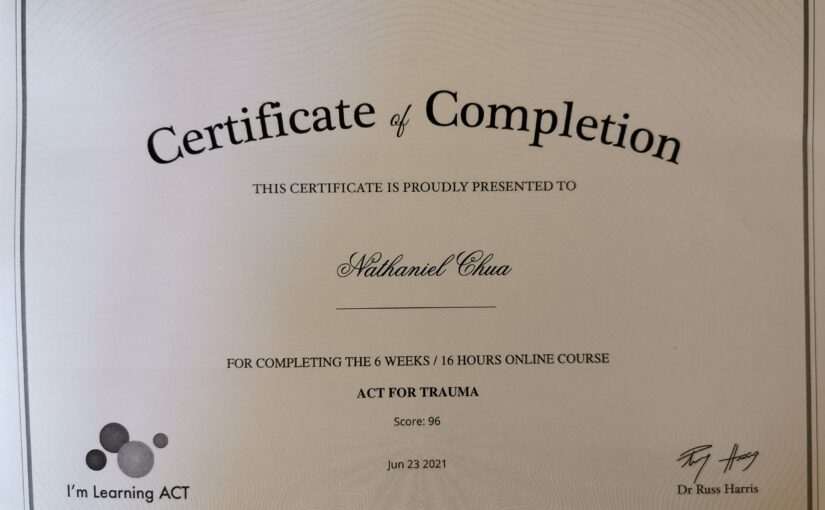
Having been trained in psychodynamic therapy, helping trauma clients from a behavioral lens was unimaginable for me as a graduate student. With the use of the inner child, memory and exposure work, it turns out that the two approaches share much in common. From an ACT or behavioral, and scientific perspective however, I have learned the rationale behind such practices, and how our nervous system works to produce the kind of ineffective responses people have towards traumatic experiences. It was difficult having done this together with the ACT for Adolescents course, but it was well worth the effort. I consider it a privilege to be around in an era where people like Dr. Russ Harris, a best-selling author and renowned ACT therapist, are able to share their knowledge and expertise from thousands of miles away! I eagerly look forward to more courses in ACT, Relational Frame Theory, and Functional Contextualism.
Ah, the functions of language! Until recent years, I have never thought about how language played a role in our ability to sustain our mental health. As the theory behind this new approach that I am using is framed upon language and how we use it, I would like to introduce you to a few terms that we use in a way that can cause us to experience unnecessary depression, excess anxiety, and even attempts at suicide!
The first expression we use quite a lot in the field of counseling is the word, “healing.” I remember in the years I spent in graduate school, this word was used quite liberally. In fact, there was even a book that had, as part of its title, the words, “wounded healer.” Healing though connotes the idea that we are somehow broken and that we need to be put together like a puzzle or a broken vase in a clinical setting.
Reality though would tell us that this can be nothing more than a figure of speech that at the least, could be considered unhelpful. Because nothing inside of us is really broken. It is rather a form of learning to resort to certain strategies that provide instant relief from emotional pain that end up unproductive and futile; and thereby rendering us feeling more ineffectual and deserving of our sad fate. We are whole and complete. What we suffer when we are said to be having some psychological problems is that of being stuck in a pattern of behaviors that do not serve our best interests.
The next phrase or term I have learned to be used in unhelpful fashions is the idea that comes from stories of people who supposedly went from being dead to surviving a coma. It is often said that they see a great white light and felt immense peace! Attempts at suicide are basically logical responses to removing the difficult feelings brought on by our attempts at living what comes as meaningful to us. It is better to die, since one: it will remove the painful emotions we experience from our pursuits for meaning and purpose, and two: there will be unimaginable bliss thereafter. Unfortunately, allow me to paraphrase an expert in behavioral analysis who said in jest that there has so far been no one on record to have answered a survey from death that talks about how much better it is on that side.
The last term for this post is the word, confidence. We often combine this with the word, “feel.” This means that confidence is a feeling that we need to achieve in order to do something of significance. As Dr. Steven Hayes likes to use etymologies in his work, the word actually means having full trust or faith in Latin. We have somehow in our modern usage of the term used it to mean that it is something we feel rather than something we do. We can still put our full faith in ourselves even as we feel anxious about doing a certain task.
Remember that the best way to live is to focus on what we do rather than what we feel, because there is the possibility of redemption in the former. Our feelings are subject to change and outside of our control. If we hang our hats on them, we will find ourselves stuck in a cycle of frustration, and eventually see ourselves as broken vessels that need to be pieced together, or brought to a place where we choose to end it all permanently for temporary relief from the varied emotions we experience that come with truly living.
Do you need counseling for depression, anxiety, trauma, relationship (marriage, family) problems, insomnia, anger management problems, infidelity, teen parenting issues, grief processing, addiction, procrastination, work performance, and even weight issues?
We are here to provide you with evidence-based approaches that are backed by reliable and valid scientific research!
We provide both in person and online video counseling for your convenience.
Please text (preferred) or call:
Mobile Number: +63 917 886 5433 (LIFE)
Available also on Viber and WhatsApp!
(The best option is to message this number through Viber or WhatsApp and we will gladly call you back or reply!)
Our offices are located in Quezon City, Metro Manila, Philippines.
CMS Clinic
2nd Floor Back to the Bible Building
135 West Avenue, Quezon City, Metro Manila, Philippines
and
M Place South Triangle
8004 Mother Ignacia Avenue, Quezon City, Metro Manila, Philippines
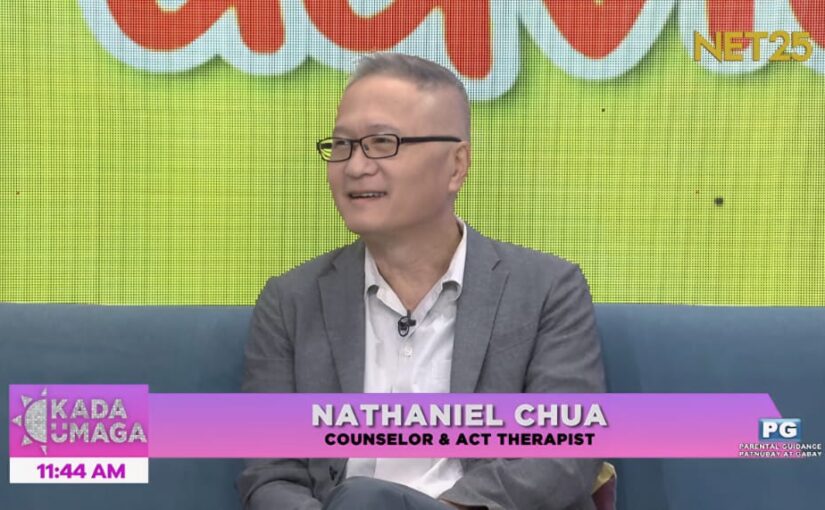
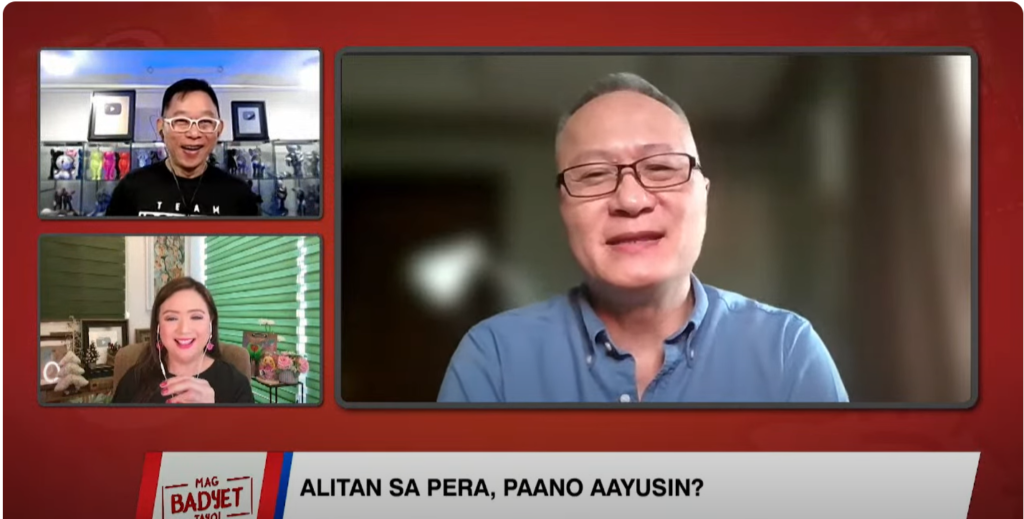
Discussing sunk cost fallacy with Pia, Daiana, and Emma on Kada Umaga, Net 25 last July 16, 2025Nathan Chua spoke with Pia Guanio Mago about parenting on Net 25’s Kada Umaga, June 2025Interview with Chinkee Tan and Christine Bersola-Babao on MagBadyet Tayo about financial conflicts in relationships, October 23, 2023
The counselor is also an author!
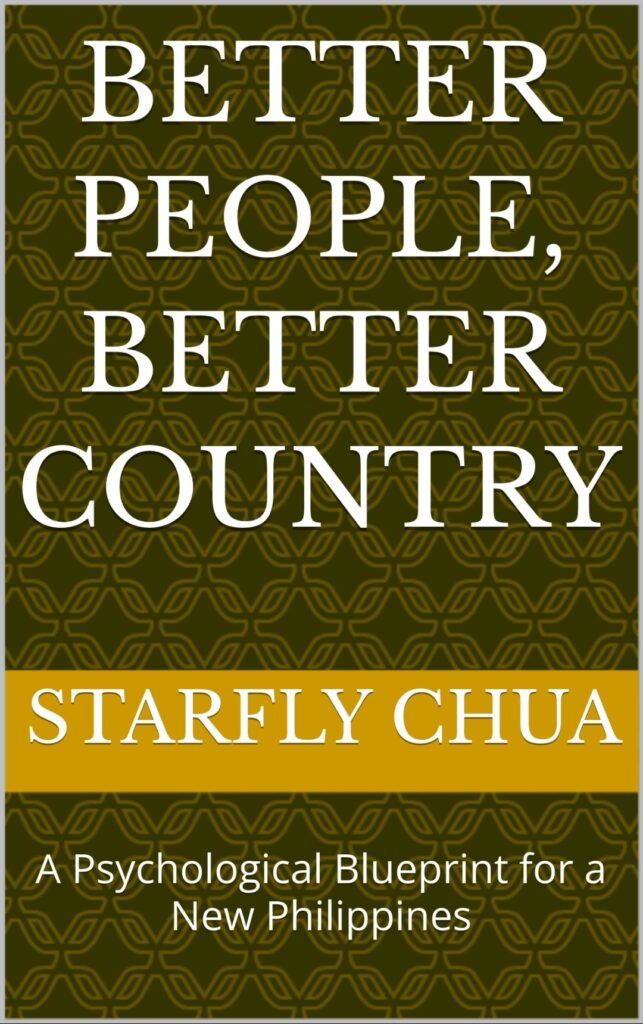
Nathaniel Chua is the author of
Better People, Better Country: A Psychological Blueprint for a New Philippines,
published under the pen name Starfly Chua. The pen name was chosen in homage to his grandfather and his ethnic Chinese roots, and reflects a preference for allowing ideas to stand on their own—without emphasis on personal visibility or status.
Here are selected endorsements from international colleagues and clinical experts:
This book is a fascinating personal exploration and cultural adaptation of contextual behavioral science applied to psychotherapy. It takes you, with great clarity and humility, from the philosophical foundations of functional contextualism all the way to its practical applications in Acceptance and Commitment Therapy. The way it addresses the challenges of psychological well-being in the Philippines makes it a particularly valuable contribution.
Dr. Matthieu Villatte, PhD, Co-author of Mastering the Clinical Conversation: Language as Intervention
Better People, Better Country offers a transformative shift in perspective, moving from rigid cultural rules that invite moral shaming toward one of contextual understanding. Both deeply personal and extensively practical, Starfly Chua provides a psychosocial blueprint for change and progress at multiple levels of human existence. This book is an invaluable resource for the people of the Philippines because it moves beyond the exhausted cycle of demanding ‘better people’ and instead provides the tools to build ‘better contexts’ — systems that naturally support prosocial values that benefit citizens and country alike.
Lou Lasprugato, MFT
Peer-Reviewed ACT Trainer
For far too long, theories of human behavior and psychology have been relegated to the therapy room, used in private, and often at the individual level. We now have advanced psychological theories that can explain and help foster change at the societal level.
Chua reaches for the same shining star that famed behavior analyst B.F. Skinner once reached for, applying cutting edge behavior change technology to the community at large—not just for the purposes of greater mental health—but for more workable societies. Chua doesn’t just reach for this star, he grasps it firmly. Laid out in this book is a set of common sense reforms that could revolutionize the Philippines and the world at an achievable cost: our own willingness.
Jacob Martinez
Practicing Counselor
Wisconsin, USA
Nathaniel Chua is also a member of an international organization called the Association for Contextual Behavioral Science (ACBS). He once became chair of the Diversity, Equity, and Inclusion Special Interest Group (DEI-SIG) of ACBS; the first Non-North American to do so.
Nathaniel Chua has a Master’s Degree in Counseling and continues to learn more of the most cutting-edge approaches to working with the human condition.
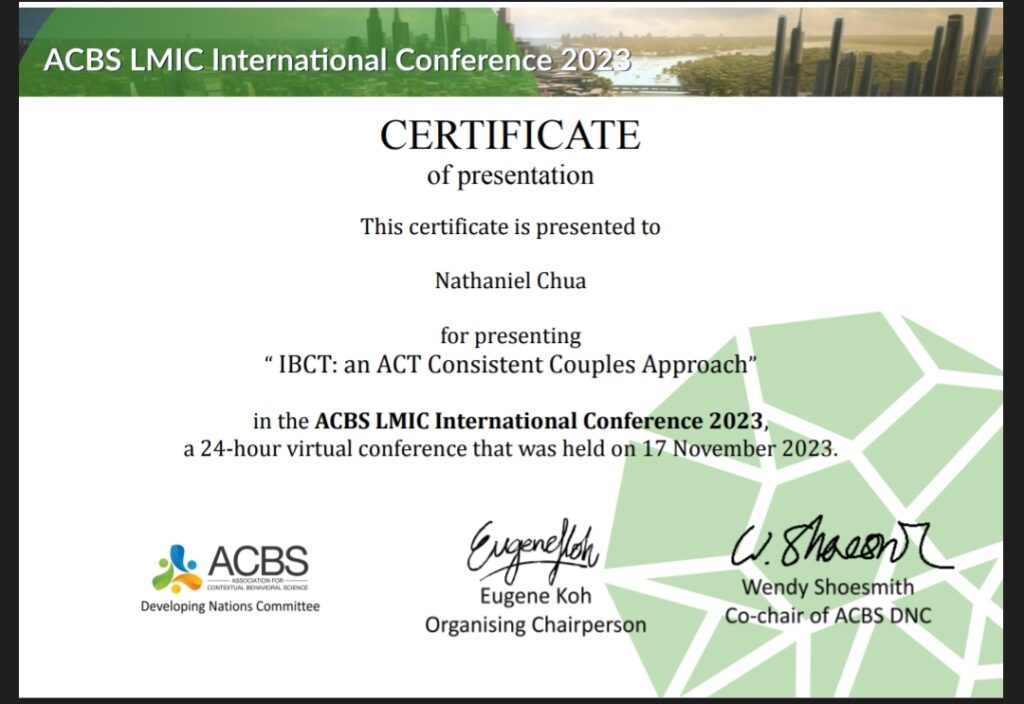
Below is Nathaniel Chua’s first virtual talk held on November 17, 2023 in front of an international group of therapists from Low or Middle Income Countries (LMIC). He is the first from the Philippines to do this:
What is One Life Only Counseling about?
We value and respect your privacy and we keep what you share confidential.
You will be respected regardless of your religion, gender preference, ethnicity, economic status, and even your personal lifestyle and values. We are LGBTQIA+ friendly!
Your counselor will not impose their values and beliefs on you. We welcome people from all faith traditions—or even none at all. We understand that spirituality and belief can be deeply personal, sometimes a source of strength, and at other times a place of struggle. Our goal is not to impose but to create space where your values, practices, and questions are respected. Whatever faith tradition you belong to, you are invited to bring your whole self into the counseling process.
Nathaniel Chua, MA
Functional Contextualist Therapist
The Philippines’ ACT & IBCT Specialist
We mainly use ACT and IBCT which are both models of therapy that are based on functional contextualism – a science-based approach that focuses on what works in your unique life context. Both approaches help individuals, couples, and families move past stuck patterns, handle difficult emotions, and build more meaningful lives and relationships.
What is functional contextualism?
Functional contextualism starts with this simple truth: behaviors don’t happen in a vacuum. Every action, every thought, every feeling occurs in your unique context — and all of them serve a purpose.
What we mean by behavior?
Behavior isn’t just what you do outwardly. It also includes inner actions like thinking, remembering, or imagining. Some behaviors can be observed; others happen quietly inside you.
What we mean by context?
Context is more than the physical space you’re in. It includes your personal history, your memories, and the people who have shaped your life — whether they’re with you now or live only in your mind.
What we mean by function or purpose?
Every behavior is influenced by what happens before and after it. The “function” is the role that behavior plays in helping you cope, adapt, or move toward something important to you.
What we don’t believe or practice:
We don’t see you as “broken” or as a set of symptoms to fix. Outside of major physical damage or impairment, there’s no solid science proving that everyday behavior is caused by some permanent biological flaw. You’re not a checklist of traits scored four-out-of-seven or five-out-of-nine. You’re a complex, whole, and freely choosing individual whose actions make sense in the context of your life.
Beyond Diagnostic Labels
We don’t use DSM diagnoses because your life is more than a checklist of symptoms. Real change begins with understanding your whole story, not fitting you into a category.
Medication as a Last Resort
While medication can sometimes be necessary, it’s neverthe first step we recommend. We focus on approaches that build lasting strength, skills, and choice – empowering you without unnecessary dependence.
You’re More Than a Number
We don’t use psychometric testing, because no score can capture who you are. We choose to listen, explore, and work with you through open, genuine conversations that honor your unique journey.
An Approach That is Recognized by the WHO!
The approach we use is also one that is endorsed by the World Health Organization as an effective psychological tool for coping with any kind of life crises! It can be described as a kind of psychological vaccine that has been found to be effective in improving and promoting mental resilience in the face of many, if not all kinds of life challenges.
Here’s a paraphrase from Dr. Steven C. Hayes in my interview with him on April 5th, 2022:
“Here’s what the World Health Organization, the best public health and scientific group in the world says about this protocol, this extensively tested protocol is helpful for anyone who is stressed, for any reason, in any circumstance.”
Since being established in 2009, it was in 2019 that we have been very excited to offer this type of a radically different approach to therapy that is not just about relieving symptoms, but also about helping people towards creating lives imbued with meaning and purpose.
Here’s a video about what makes One Life Only Counseling Services different:
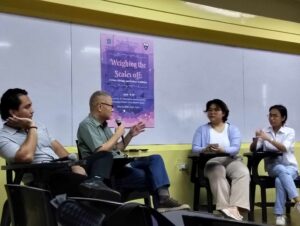
May 14, 2025 Nathan Chua was one of two guest resource persons at the UST campus with third year psychology students. Topic was about bulimia and anorexia.
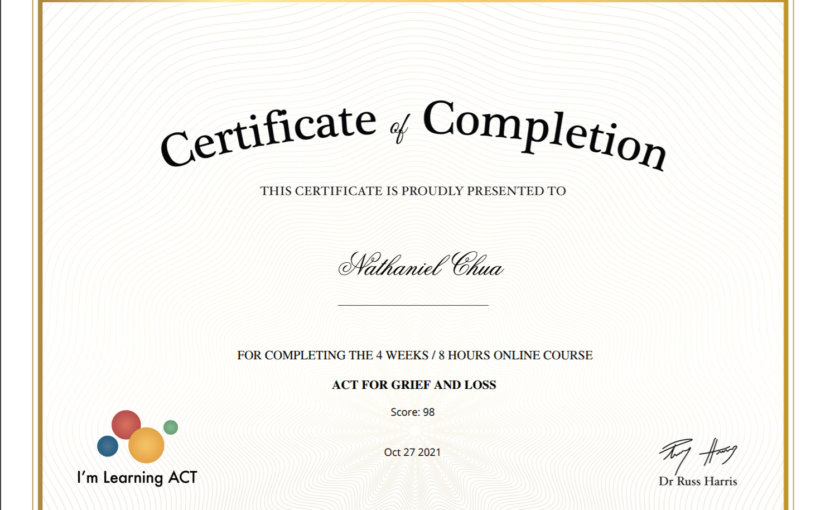
Recent certificate given to Nathan Chua for presenting a talk about couple’s therapy in front an international audience of therapists from Low or Middle Income Country (LMIC). He is the first and so far the only one from the Philippines to accomplish this.
Nathan Chua is probably one of the very few therapists in the Philippines who’s been on mainstream media to talk about ACT and functional contextualism in a way that stays faithful to the model.
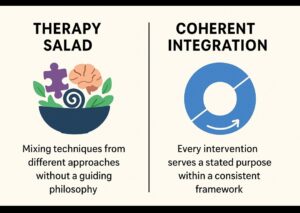
Being faithful to the model means therapy isn’t about throwing techniques together like ingredients in a salad. The “therapy salad” approach mixes bits and pieces without coherence, often leaving clients confused. An integrative approach, on the other hand, is guided by a unifying framework – methods are chosen and blended with purpose, creating a clear, consistent direction that serves client’s goals.
In other words, therapy isn’t about randomly mixing different techniques. That can feel confusing, like tossing ingredients together without a recipe. An integrative approach means everything fits together with a clear purpose – so the tools and methods used actually connect and support your journey.
Every step we take together has a purpose, not just a mix of techniques.
Here are some of the testimonials that people have given for our work.
From a parent:
My son was diagnosed with Major Depressive Disorder. He’s been undergoing therapy each year between June to September. He’s given synthetic meds in between therapy but i am not seeing consistent progress. We needed to find a psychiatric support that can really help him.
It was a blessing indeed when i met one of the resource speaker from our community event that introduced us to sir Nathaniel.
Here’s an excerpt from my son’s long message to me …. “learning a lot through this therapy and had a ton of realizations din so i wanna say thank u so much ma…”
One life Only counselling services is truly effective and i hope it can help more people who suffers from mental health concerns.
From a partner:
Nathan is amazing! We learned so much about our relationship in just a few sessions. He also gives reading references, which helps a lot to navigate the information he provides in his session. Overall, would recommend to any couple in need of counselling.
From a husband:
Me and my wife ran into a bad patch due to outside pressure put onto our marriage. I decided to book a set of appointments with one life and I can say it help so much I wish we went years ago. We have an amazing marriage and friendship. Best thing we ever did.
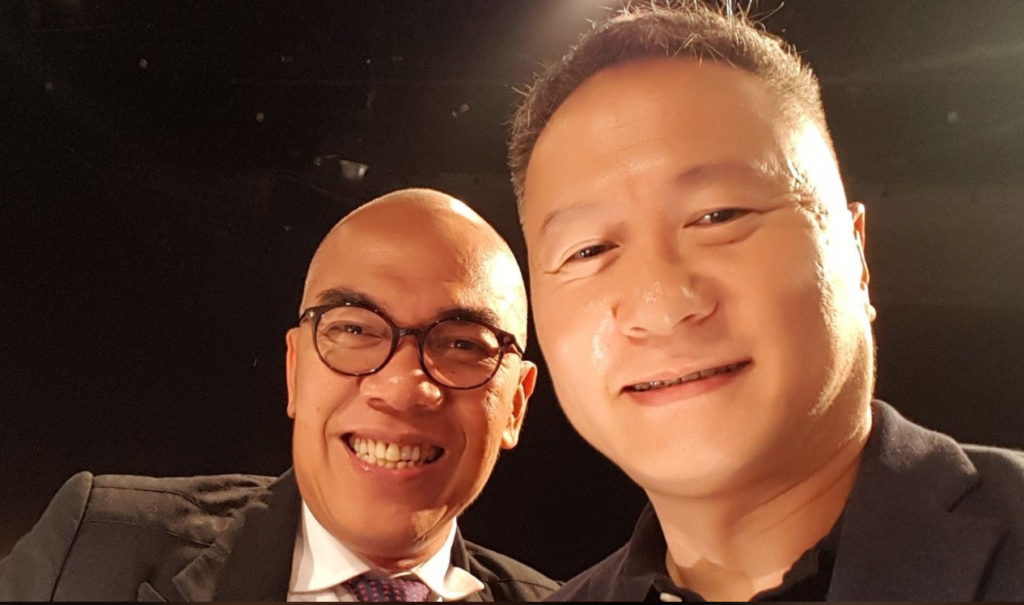
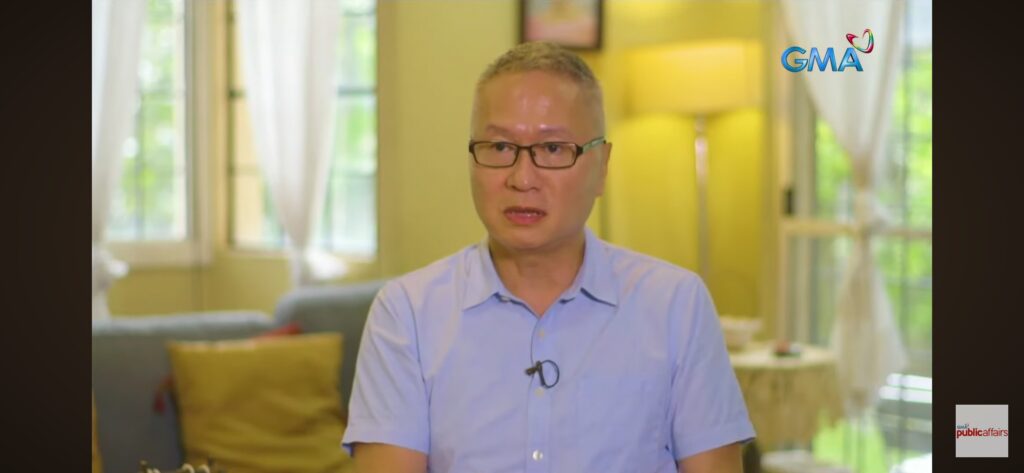
Interview with Julius Babao and Christine Bersola Babao, October 25, 2023Guest resource person with Boy Abunda on his show The BottomlineJuly 2024 interview on Kapuso Mo Jessica Soho about jealousy and anger
He has also done interviews on YouTube with the developers of ACT and IBCT.
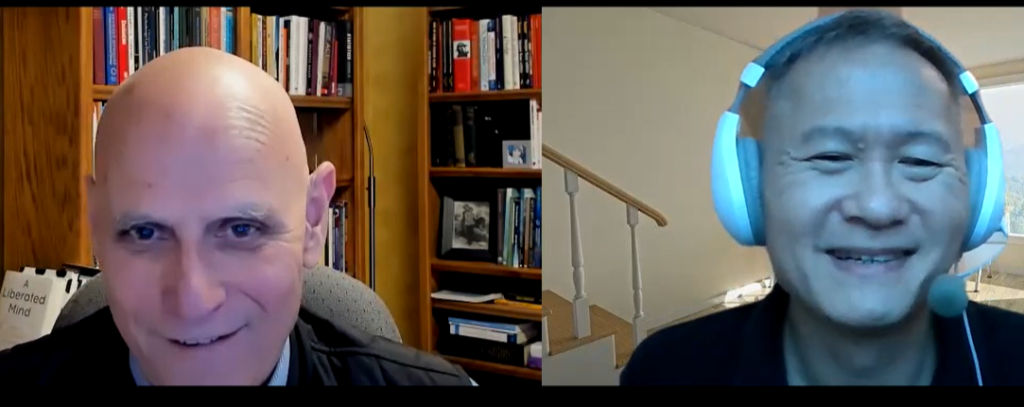
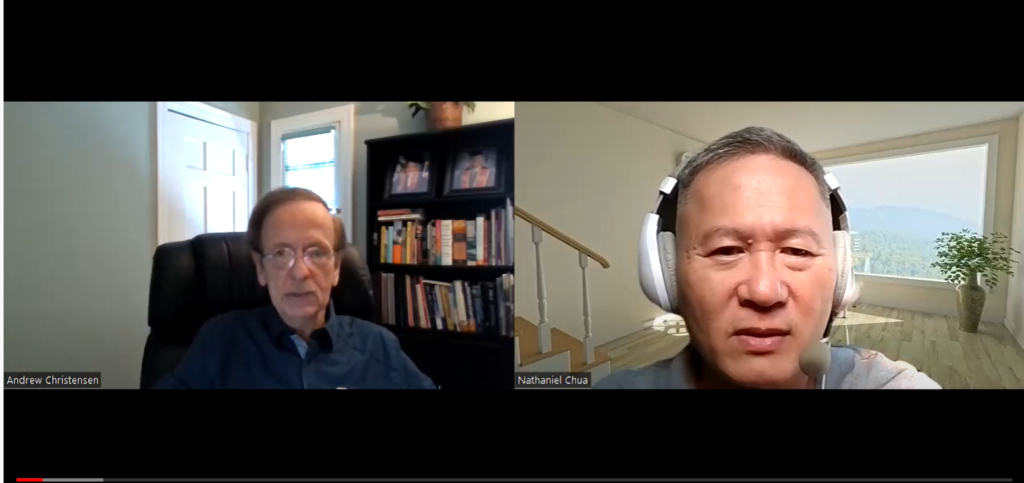
Interview with Dr. Steven C. Hayes, the developer of ACT, April 5, 2022Interview with Dr. Andrew Christensen May 14, 2022
Here is a live interview on Kada Umaga on Net 25 starting at the 25 minute mark:
Here’s a solo interview of Nathan Chua with an ACT Matrix Expert and Counselor from the United States, Jacob Martinez:
Interviews with the experts:
Here are two interviews with the two experts that have had a huge impact on my work in recent years. They are with Dr. Steven Hayes and Dr. Andrew Christensen. Here are the videos: